
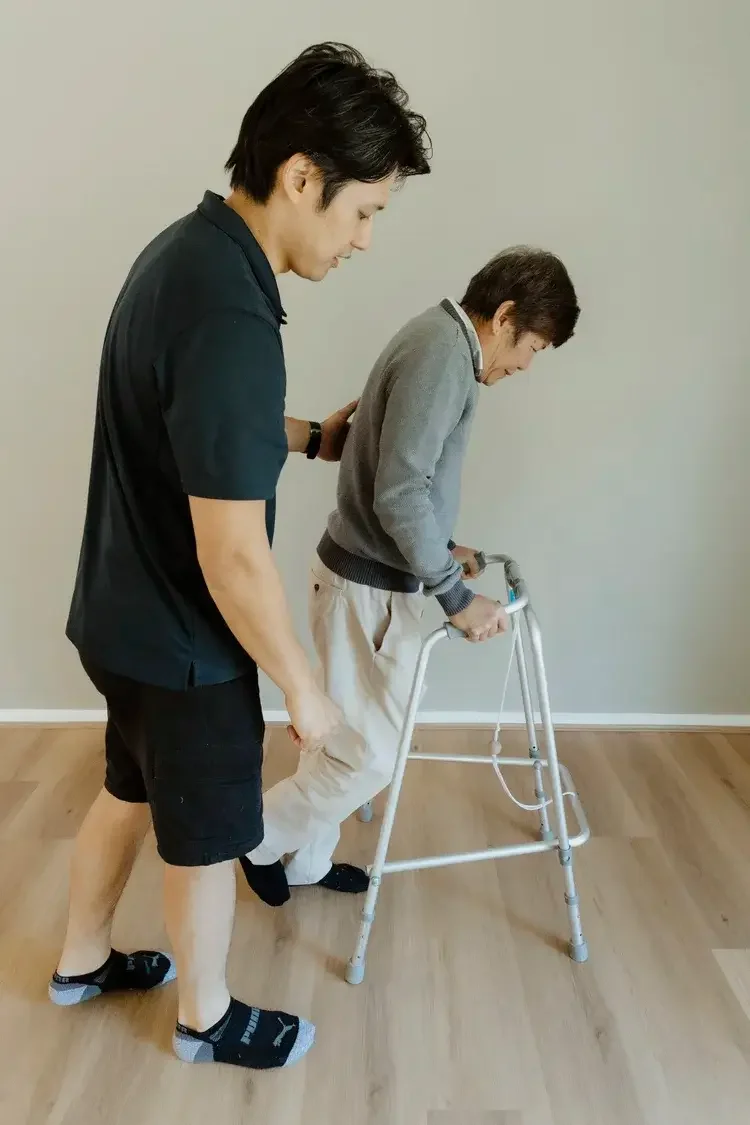
Physio Equipment Prescription in Canberra:
Finding the Right Support for Safer Movement
The right equipment can make everyday life safer, easier and more independent. The wrong equipment can be uncomfortable, difficult to use or even increase the risk of a fall or injury.
That is why choosing a walking frame, wheelchair, hoist, adjustable bed or shower chair involves more than selecting a product from a catalogue. It should begin with an assessment of the person, the task and the environment in which the equipment will be used.
At THRIVE Canberra Home Physio, our physiotherapists provide equipment assessments and prescriptions in the place that matters most: your home. We support private clients, NDIS participants and older people receiving Support at Home services across Canberra and surrounding areas.
Walking Aids
✳︎
Transfer Equipment
✳︎
Wheelchairs
✳︎
Recliner Chair
✳︎
Electric Adjustable Beds
✳︎
Walking Aids ✳︎ Transfer Equipment ✳︎ Wheelchairs ✳︎ Recliner Chair ✳︎ Electric Adjustable Beds ✳︎
What is Equipment Prescription?
Physiotherapy equipment prescription is the process of assessing a person's movement, function and support needs before recommending suitable equipment.
The aim is not simply to find an item that fits. It is to find equipment that helps the person achieve a practical goal, such as:
walking more safely inside or outside the home
standing up from a chair with less effort
transferring between a bed, chair, wheelchair or toilet
improving comfort and positioning
reducing strain on family members and support workers
maintaining independence for longer
Depending on the equipment and funding requirements, the process may include an in-home assessment, measurements, product research, supplier consultation, equipment trials, a written recommendation or report, setup and follow-up training.
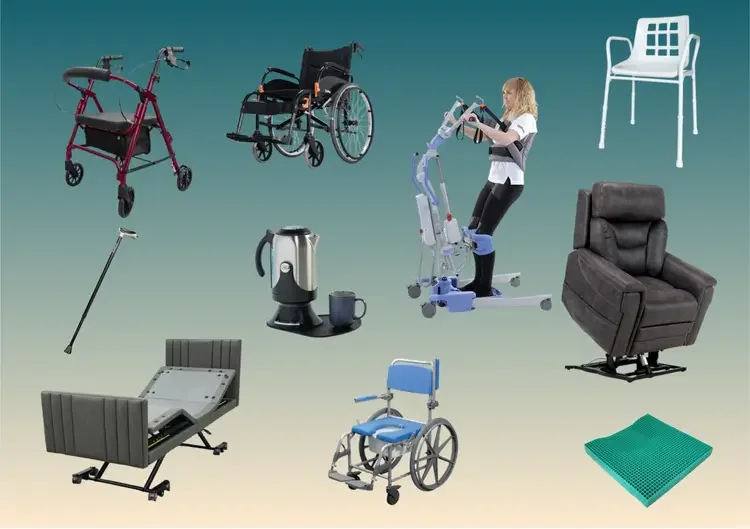
What equipment can a physiotherapist assess and prescribe?
Our physiotherapists can assess for a broad range of mobility, transfer and daily living equipment, including:
Walking and mobility equipment
walking sticks
crutches
walking frames and rollators
manual wheelchairs
powered wheelchairs and mobility scooters, where appropriate to the clinician's experience and scope
Transfer equipment
standing lifters
mobile hoists
transfer aids and transfer boards
equipment to make sit-to-stand transfers safer
Beds, seating and positioning
electric adjustable beds
pressure care or supportive mattresses
bed support rails where clinically appropriate
recliner lift chairs
pressure cushions
supportive seating and positioning equipment
Bathroom and toileting equipment
shower stools and shower chairs
over-toilet frames
bedside commodes and mobile commodes
other equipment that supports safe transfers and personal care
The most appropriate recommendation will depend on the person's abilities, goals, home environment, support arrangements and funding pathway.
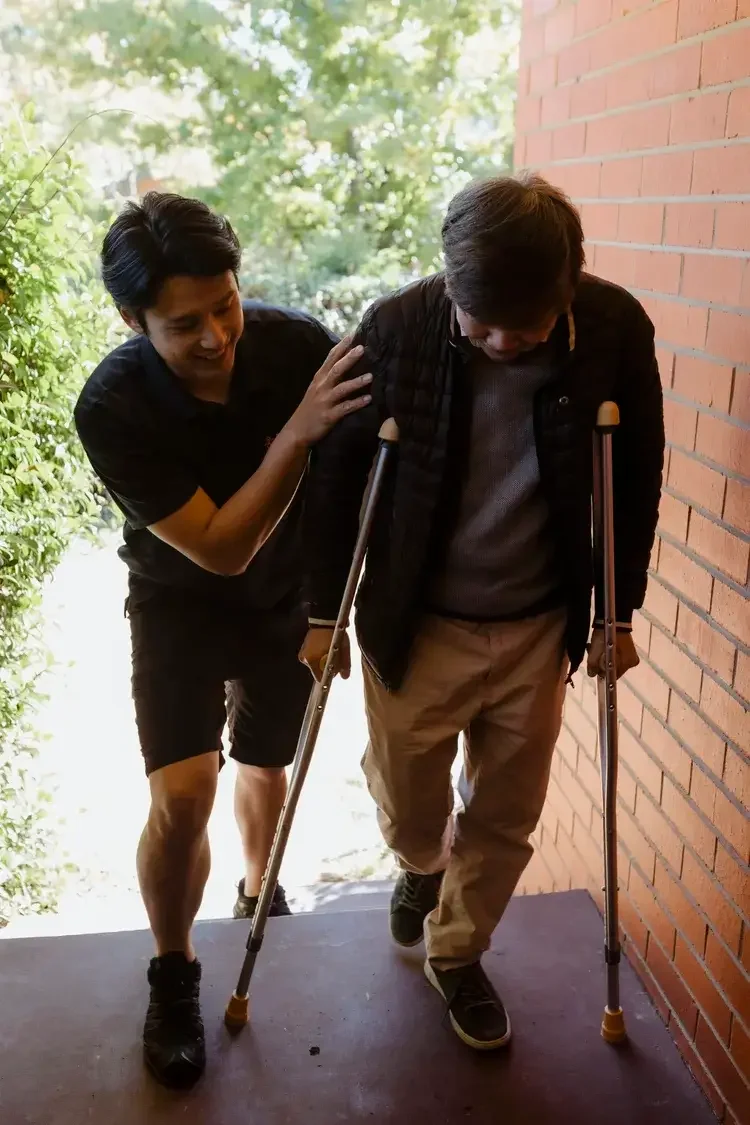
Why is a physiotherapist well placed to prescribe mobility and transfer equipment?
Physiotherapists have detailed knowledge of movement and physical function. During an equipment assessment, we consider factors such as strength, balance, coordination, walking pattern, pain, fatigue, joint range, cognition and the way a person's condition may change over time.
We also look closely at how the person completes real tasks. This may include getting out of bed, standing from a favourite chair, walking through narrow doorways, using the bathroom or transferring with help from a family member or support worker.
This movement-based assessment is especially valuable when equipment is intended to:
improve walking or balance
support transfers
reduce falls risk
manage weakness, pain or fatigue
accommodate a neurological or progressive condition
reduce physical strain on carers and support staff
Because we visit the person at home, we can see details that may be missed in a clinic or showroom. Floor surfaces, doorway widths, furniture height, turning space, steps and the person's usual routines can all affect whether an item will work safely in day-to-day life.
What happens during an equipment assessment?

3. We identify and trial suitable options
Where possible, equipment should be trialled before purchase, particularly when it is complex, costly or likely to be used every day. We can liaise with equipment suppliers, help arrange trials and attend a trial when clinical input is required.
THRIVE regularly works with a range of equipment providers and services across Canberra, including Sleep Electric, Aidacare, Open Mobility and the ACT Equipment Loan Service (ELS). This local experience helps us identify suitable options, communicate with suppliers and coordinate trials or short-term loan equipment when available and appropriate.
For adjustable beds, mattresses, bed rails and recliner lift chairs, THRIVE can also help organise an in-home trial through the Sleep Electric mobile showroom. This allows the equipment to be considered in the client's own environment.
4. We provide recommendations and supporting documentation
After assessment and trial, we can provide a clear recommendation and, where required, a physiotherapy equipment prescription or report. Documentation may include the person's functional needs, goals, trial outcomes, clinical reasoning and the features required for safe use.
5. We assist with setup, training and follow-up
Once the equipment arrives, we can check that it is the correct item, adjust it where appropriate and teach the client, family or support team how to use it safely. Follow-up also gives us an opportunity to identify problems early and arrange further adjustments if needed.
Every assessment is tailored to the person, but the process will generally include the following steps.
1. We discuss your needs and goals
We begin by understanding what is becoming difficult, what you want to do more safely and who may be assisting you. We also review relevant health conditions, falls, pain, fatigue and any equipment already in use.
2. We assess movement in your home
Your physiotherapist may assess walking, balance, strength, transfers, posture and the physical demands of the task. We can also check the spaces where the equipment will be used and stored.
Who may benefit from an equipment assessment?
An assessment may be helpful for someone who:
has fallen or feels unsteady when walking
is finding it harder to stand from a chair, bed or toilet
has had a recent hospital admission, injury or operation
is living with arthritis, frailty or persistent pain
has a neurological condition such as Parkinson's disease, multiple sclerosis, stroke or brain injury
uses equipment that no longer feels safe or suitable
has experienced a change in mobility or support needs
relies on family members or support workers for transfers
wants to remain safely and independently at home
It is best to arrange an assessment before purchasing complex or expensive equipment. A trial can help confirm that the item is comfortable, safe, practical and suited to the person's longer-term needs.
Equipment prescription for NDIS participants
The NDIS refers to equipment, devices and related systems as assistive technology. The evidence required depends on the cost, complexity and risk of the item.
A physiotherapist may assist by assessing the participant's physical function, clarifying goals, arranging trials and preparing written evidence that explains why the recommended equipment is appropriate. More complex or high-cost equipment may require assessment by a suitably qualified assistive technology assessor and approval before purchase.
Funding is not guaranteed, and requirements can vary between plans and equipment categories. We can work with the participant, their family, support coordinator, plan manager and supplier to make the process as clear as possible.
Make an NDIS referral
Equipment prescription under Support at Home
The Support at Home Assistive Technology and Home Modifications scheme provides separate funding for eligible equipment and home modifications based on assessed needs.
Where a prescription is required, it must be completed by a suitably qualified health professional. A physiotherapist can prescribe appropriate assistive technology within their professional scope, including many mobility, transfer, bed, seating and bathroom items. Home modifications have different prescription requirements from an Occupational Therapist.
We can work with the client, family, care partner and equipment supplier to assess the need, arrange trials, provide clinical documentation and support safe setup and use. Eligibility, available funding and approval requirements should always be confirmed for the individual client before equipment is ordered.
Make a Support at Home referral
Private equipment assessments
You do not need to be receiving NDIS or Support at Home funding to arrange an assessment. Private clients can contact THRIVE directly for help choosing equipment for themselves or a family member.
An assessment can be especially worthwhile before purchasing an adjustable bed, recliner lift chair, wheelchair, hoist or other higher-cost item. It can reduce the risk of buying equipment that is unsuitable or difficult to use.